EAS Security
 EAS Gate
 Security Tag
 EAS Accessories
 Gadgets
 Convex Mirror
 Road Barrier
 Burglar Alarm
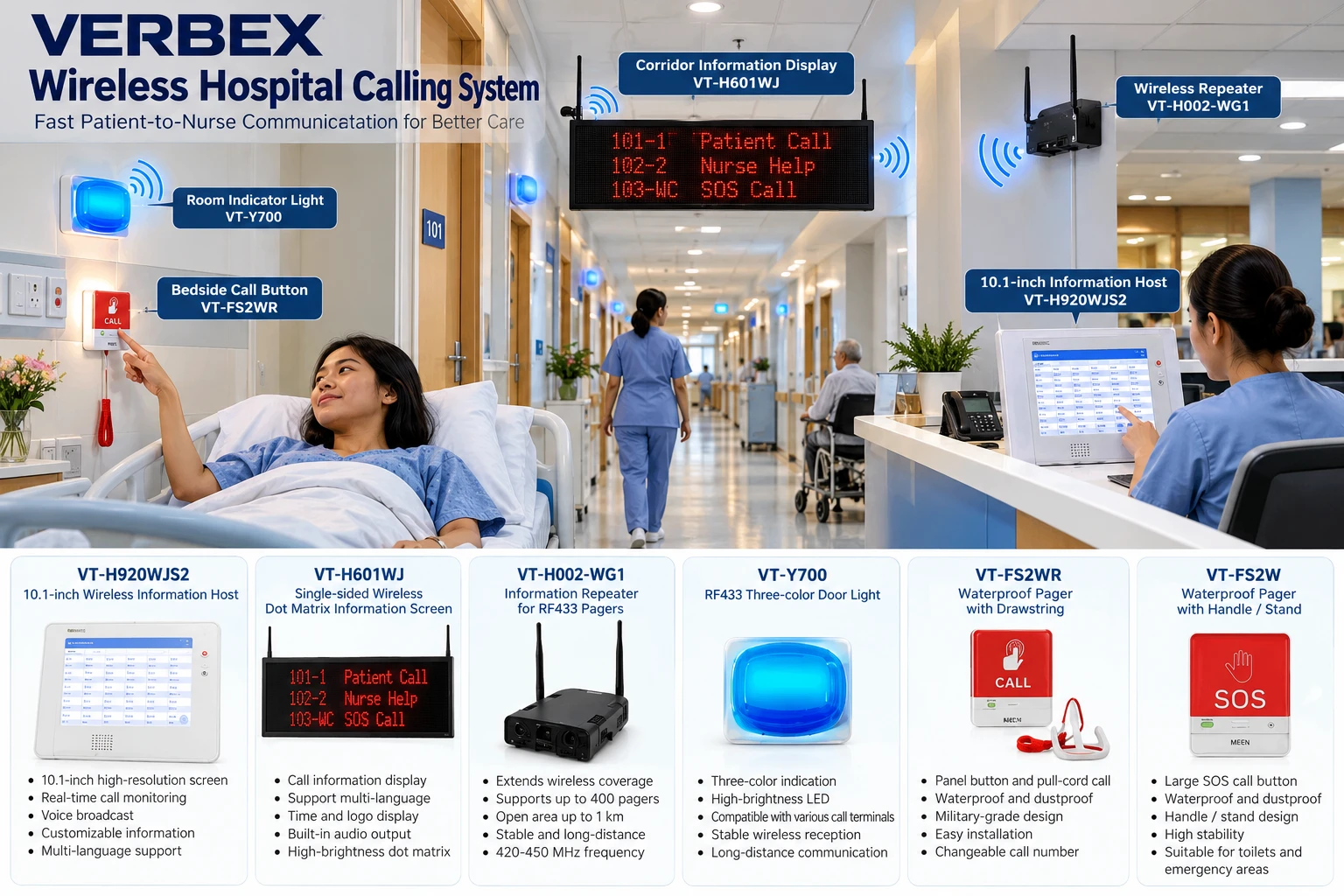
 Calling System
প্রার্থী মূল্যায়নের স্কোরকার্ড কীভাবে তৈরি করবেন: একই মানদণ্ডে নিয়োগের জন্য eHajira গাইড
November 03, 2026

How to Build a Candidate Evaluation Scorecard: An eHajira Guide to Consistent Hiring Decisions
Three interviewers can meet the same candidate and leave with three different impressions. The hiring manager may remember a strong technical answer, the HR representative may focus on communication, and the branch supervisor may care most about how the candidate handled an operational problem. All three observations can be useful. The difficulty comes when the panel has no shared definition of what a good answer looks like or which skills matter most. At that point, the strongest opinion in the room can carry more weight than the strongest evidence.
A candidate evaluation scorecard gives interviewers a common way to assess job-related skills, record evidence, and explain hiring decisions. For employers in Bangladesh, it can also help head office and branch managers assess candidates against the same standard even when different panels conduct the interviews. This guide explains how to build a scorecard, use it during a structured interview, and hand approved employment information over to eHajira after a hire.
What Is a Candidate Evaluation Scorecard?
A candidate evaluation scorecard is a form that defines what interviewers will assess and how they will record their judgments. It connects a job requirement to an interview question or exercise, describes what different rating levels mean, and gives the interviewer space to note the evidence behind a score. A hiring team should be able to read a completed scorecard and understand why the candidate received each rating.
Consider a customer service role. “Good communication” is too broad to score consistently. An interviewer might interpret it as confidence, while another might look for clear instructions. A more useful criterion is “explains the next step to a customer accurately and in plain language.” A candidate who confirms the issue, explains what can be done, and gives a realistic update can earn a strong rating even if their speaking style is quieter than another candidate’s.
The U.S. Office of Personnel Management’s guidance on structured interviews recommends asking candidates the same predetermined questions in the same order and judging responses against common standards. Bangladesh employers can apply that method by designing questions and rating descriptions around their own roles.
Where eHajira Fits in the Hiring Workflow
Trimatrik IT describes eHajira as software for HR, attendance, leave, and payroll. Trimatrik Multimedia’s published plans also describe employee profile management, with features such as shifts, rosters, and multi-branch administration available on applicable plans. The public materials reviewed for this guide did not confirm a built-in candidate scorecard, interview calendar, or applicant tracking workflow. Unless those features are demonstrated for your deployment, use an approved recruitment tool or restricted scorecard form for candidate evaluation and use eHajira for the employee records and workforce setup that follow a confirmed hire.
The handover is where the two processes meet. The recruitment team records how the person was selected and obtains the required hiring approvals. The HR administrator then uses the approved appointment information to create or update the employee profile in eHajira. The handover can identify the confirmed role, department, branch, joining date, and shift where applicable. Keep the interview scores and panel notes in the restricted recruitment record. The people setting up a roster or preparing payroll generally need the approved employment details, not the panel’s discussion of other candidates.
Start with the Work the New Employee Must Do
Build the scorecard from the duties of the vacancy. Ask the hiring manager to describe a normal working week, the decisions the employee will make, and the mistakes that would have a meaningful operational impact. Translate those answers into a small set of competencies the panel can observe. A warehouse dispatch officer may need to verify order details, identify stock discrepancies, and escalate problems before release. A payroll officer needs a different assessment focused on reconciling records, investigating exceptions, and handling sensitive information.
Separate skills the person needs on the first day from skills the employer can teach. A branch cashier may need sound judgment when the amount in the till differs from the recorded total. Familiarity with a particular internal reporting screen may be teachable. If both are treated as mandatory, the scorecard can favour candidates who have used familiar software over candidates who demonstrate stronger control of the underlying work.
For each competency, decide how the panel will obtain evidence. A past experience question can show how a candidate acted in a previous role. A realistic scenario can show how a candidate would approach a problem even if they have never held the exact job title. A short work sample can reveal whether the candidate can carry out a task. For an entry-level hire, a scenario or sample may give the panel better evidence than a question that assumes several years of employment. Structured assessment guidance supports using job-related questions and, where appropriate, giving candidates equivalent work exercises and scoring conditions.
Write Rating Descriptions Before the First Interview
A five-point scale is easy to understand, but the numbers need meaning. Suppose a distribution company in Chattogram asks a dispatch candidate what they would do if the packing list shows 20 units and the sealed carton is labelled 18. A low rating might describe a response that sends the carton without checking. A satisfactory response might pause the shipment, verify the source records, and inform the responsible supervisor. A high rating could also explain how the candidate would document the discrepancy and confirm the correction before release. Define the intermediate ratings before interviews begin so reviewers know what distinguishes a partial answer from a complete one.
Write these descriptions in terms of actions and evidence. “Takes ownership” may sound useful, but different people interpret it differently. “Identifies the person who can authorize a correction, records what was changed, and confirms the shipment can proceed” gives the panel something it can hear in an answer and record. When interviewers are unsure about a rating, the written description should help them explain which action was present or missing.
Decide whether all criteria are equally important. If accuracy and control judgment are central to an accounts role, the company may assign them greater weight than presentation style. For example, a score of 4 out of 5 on a criterion worth 30 points contributes 24 points. If a separate criterion is essential, agree in advance on the minimum acceptable rating. A strong overall score should not conceal that the candidate failed to demonstrate a skill essential to the job. Use the same formula and minimum requirements for everyone applying to the vacancy.
Schedule Interviews So Candidates Can Be Compared Fairly
Interview scheduling affects the quality of the evidence. A candidate who gets a full exercise and several minutes to explain it cannot be compared fairly with someone whose slot ends early because the panel is running behind. Set enough time for introductions, core questions, a practical exercise if required, and the candidate’s questions. Allow a separate window for the panel to finish its notes. Where the interview involves several branches, confirm the time in Bangladesh local time and send the full venue address or meeting link with a contact for rescheduling.
Decide beforehand how the panel will handle online and in-person interviews. If a connection drops during an exercise, pause and allow the candidate to complete the same assessment under comparable conditions. Record the interruption as an administrative issue. Assess language only to the degree the job requires it. A field service role may call for clear instructions in Bangla, while a role working with international customers may require a defined English task. If both languages are acceptable for a particular assessment, use equivalent prompts and apply the same rating descriptions.
An approved calendar or recruitment tool can manage invitations and rescheduling. If your eHajira plan includes shift and roster management, HR can consult the relevant staff schedule to identify a practical time for branch supervisors to join the panel. Send candidate communications through the agreed recruitment channel. Public eHajira plan information describes staff rostering but does not establish that this feature sends candidate interview invitations.
Score Independently and Resolve Differences with Evidence
Ask interviewers to record a preliminary rating before discussing the candidate. When each panel member writes down the evidence first, the hiring manager’s reaction is less likely to shape what everyone else remembers. Useful notes capture what the candidate actually did or said. “Compared the order and packing list, found the quantity mismatch, and held the shipment for confirmation” explains a rating. “Seems like a good fit” does not.
A difference between scores is a reason to examine the evidence. Suppose one interviewer gives a candidate a 4 for handling an inventory discrepancy while another gives a 2. The first may have credited the candidate for catching the mismatch. The second may have noticed that the candidate still released the shipment without approval. The rating description helps the panel decide how important that omission is. Simply averaging the scores can hide the difference in interpretation.
Mark missing evidence separately from weak evidence. If an interviewer forgets to ask a required question, the candidate did not have the chance to demonstrate the skill. Use a comparable follow-up where possible and document why it was needed. If the candidate receives the same prompt and gives an answer that does not meet the standard, score the response against the rubric. This distinction makes comparisons easier to explain and helps HR identify where the interview process needs improvement.
Apply the Scorecard Across Bangladesh Businesses
The World Bank’s Bangladesh Enterprise Survey provides establishment-level context across eligible manufacturing and service activities. Its coverage includes workforce and business topics. It offers context for designing assessments around different workplaces in Bangladesh; it does not measure candidate scorecard adoption or establish hiring outcomes from using eHajira.
For a manufacturer in Gazipur, a production supervisor’s interview might assess how the candidate responds to a quality defect that appears near shift handover. The panel could ask what they would stop, whom they would inform, and what they would record. For a Dhaka retailer hiring supervisors across several outlets, a realistic exercise could involve reconciling a stock discrepancy while keeping customer service running. For a service provider hiring field technicians in Sylhet, the assessment could focus on explaining a fault, identifying the next diagnostic step, and communicating a realistic update to the customer.
A business hiring for the same role across branches can use one core scorecard. If one location has a distinct duty, such as coordinating a night handover, document why that duty matters and which vacancy it applies to. Use the same requirements for candidates competing for that vacancy. After selection, confirm the assigned branch and shift during the eHajira handover so that the employment record reflects the position the candidate accepted.
Start with a single recurring vacancy. Ask two reviewers to score the same sample answer before interviewing applicants. If their scores differ, revise the rating descriptions until they can explain the difference in terms of the work. After the first round of hiring, examine whether the form captured enough evidence to support decisions and whether any questions consistently confused candidates. Apply material revisions to the next hiring round so people competing for the same vacancy are evaluated under comparable rules.
Frequently Asked Questions
1. What is a candidate evaluation scorecard?
It is a structured form that records how a candidate performed against the criteria for a specific job. It normally includes the competencies, scoring scale, interview evidence, and an overall recommendation.
2. How is a scorecard different from interview notes?
Notes record what was said or observed. A scorecard connects those observations to a defined requirement and rating. A useful scorecard includes brief notes that explain how the evidence supports each score.
3. Does eHajira offer a native interview scorecard?
The public eHajira materials reviewed for this guide confirm HR and workforce features but do not establish a native interview scorecard. If your team requires in-app scoring, ask the provider to demonstrate it on your proposed plan.
4. Can HR use eHajira to schedule candidate interviews?
Candidate interview scheduling was not verified in the materials reviewed. Use an approved calendar or recruitment tool to send invitations, and consult eHajira roster information for staff availability where that feature is available.
5. How many competencies should a scorecard include?
Use enough criteria to cover the responsibilities that drive the hiring decision. If two criteria capture the same behaviour, combine or refine them so a single answer does not receive extra weight by accident.
6. Is a five-point rating scale suitable?
Yes, if reviewers can distinguish each level using observable evidence. A shorter scale can be easier to apply when the role has straightforward requirements. Test the scale with sample answers before using it.
7. What is an example of a behavioural rating description?
For a dispatch role, a satisfactory rating might require the candidate to spot a quantity mismatch, hold the shipment, and escalate it. This gives reviewers a clearer basis than a label such as “shows initiative.”
8. Should every candidate answer the same questions?
Candidates for the same vacancy should receive the same core questions under comparable conditions. Use follow-up prompts consistently and avoid coaching one candidate toward evidence that others were expected to supply independently.
9. Can one scorecard be used for several job roles?
The format can be reused, but the competencies, exercises, and scoring rules should reflect each role. A retail cashier and a warehouse supervisor may share a few criteria while requiring different evidence of technical judgment.
10. When should a hiring team weight criteria?
Use weights when the responsibilities justify making one criterion more influential than another. Agree on the weights before reviewing candidates and verify that they add up to the intended total.
11. What should interviewers do when they disagree?
Ask each reviewer which answer or observed action supports their rating, then compare that evidence with the agreed description. Record how the difference was resolved rather than letting the most senior person decide by preference.
12. How should missing evidence be scored?
Use a separate status such as “not assessed” if the candidate did not get a fair opportunity to demonstrate the skill. Arrange a comparable follow-up where practical instead of assigning a low score by default.
13. Can candidates answer in Bangla?
Yes, where the role and assessment allow it. If a particular language skill is necessary, explain what will be assessed and use the same standard for everyone applying to that vacancy.
14. How can HR compare online and in-person interviews?
Use equivalent prompts, time limits, and scoring descriptions. Decide how to handle technical interruptions and give affected candidates a comparable chance to complete the relevant part of the assessment.
15. Should a practical exercise have its own rubric?
Yes. A short work sample is easier to assess consistently when the expected outcome, acceptable methods, and serious errors are defined beforehand. Avoid rating a candidate’s presentation style unless it is relevant to the task.
16. How can a small business use a scorecard without buying an ATS?
A restricted form or shared document can work for a small hiring volume. Set access by role, use a consistent vacancy reference, and make sure each interviewer can submit an independent assessment before the discussion.
17. What if two candidates receive the same total?
Use a previously agreed tie-breaker, such as the stronger result in a critical job competency. If the evidence is still insufficient, use an equivalent follow-up assessment instead of changing the weights after interviews.
18. Should HR put all interview notes in the employee profile?
Usually, the recruitment record and the employee profile serve different purposes. Keep assessment notes in the restricted hiring record and transfer only the approved information needed to create the employee’s record and prepare for joining.
19. How can employers tell whether the scorecard is helping?
Review the quality of panel notes, the frequency of unresolved rating differences, and the number of repeated interviews caused by missing evidence. These measures can show where the assessment process is clearer and where it still needs work.
20. What should HR verify before relying on eHajira for a recruitment handover?
Confirm which employee profile fields, branch assignments, and roster options your plan supports. Test the handover with a sample approved hire so the recruitment team and HR administrator know what information to transfer and who will enter it.
A sound hiring decision should be explainable in job-related terms: what the role required, what the candidate demonstrated, and how the panel reached its conclusion. A well-designed scorecard gives the hiring team that record. Once the appointment is confirmed, eHajira can help HR carry the approved employment details into the employee’s day-to-day workforce setup.
Recent Post