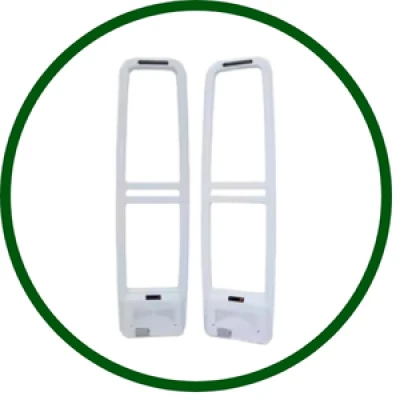
 EAS Security
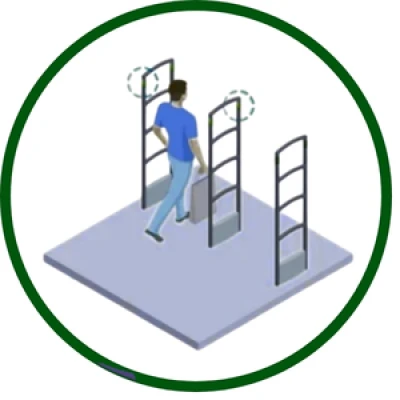 EAS Gate
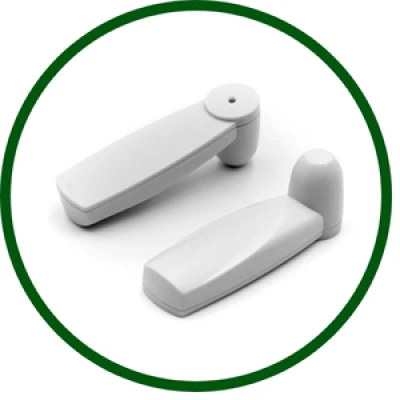 Security Tag
 EAS Accessories
 Gadgets
 Convex Mirror
 Road Barrier
 Burglar Alarm
 Calling System
From One Academic Year to the Next: Managing Student Promotion with eBiddyaPro
October 27, 2026

From One Academic Year to the Next: Managing Student Promotion with eBiddyaPro
The end of an academic year brings together some of the most important administrative decisions a school makes. Teachers complete assessments, academic leaders review results, and administrators prepare student records for the next session. At the same time, parents need clear information about their children’s progress and the arrangements for the coming year.
Student promotion is therefore more than moving a name from one class list to another. The school must establish the approved outcome, identify the correct next class and ensure that previous records remain understandable. A mistake in any of these areas can affect attendance lists, examination preparation and communication with families.
eBiddyaPro is presented as a school management platform covering student information, admissions, attendance, examinations, results, fees and reporting. Its published practical guide also discusses student profiles, class assignments and academic sessions. These areas provide a foundation for planning an organized transition between academic years.
This guide explains how schools in Bangladesh can organize promotion-related work around eBiddyaPro. The reviewed public information does not confirm automatic or bulk promotion in every package, so those specific functions should be demonstrated in the selected setup.
What Is Student Promotion Management?
Student promotion management is the process of reviewing a student’s academic position and recording the approved outcome for the next session. For many students, that outcome may be movement to a higher class. Other cases may require an individual decision according to the institution’s applicable rules.
A complete process includes more than the final class assignment. Staff must identify the correct student, verify the relevant academic period and make sure the decision has been approved.
The school also needs to communicate the outcome and prepare accurate lists for the next year. Teachers should know which students are expected in each class, while administrative teams need reliable records for routine work.
A digital system can support these activities, but the educational decision remains the responsibility of the institution and its authorized academic staff.
Why the Academic-Year Transition Matters
At the end of a session, schools handle several activities at once. Results may still be under review while the next academic calendar and class arrangements are being prepared.
If student information is maintained in disconnected files, an approved change in one place may not appear in another. A student could be listed in the new class while an earlier record remains incomplete. A changed roll number may also be mistaken for a new identity.
A consistent process helps reduce those uncertainties. Staff should know which session a record belongs to, which information is final and who can authorize changes.
The goal is continuity: the new year begins with a dependable student list, while the previous year remains available for legitimate academic reference.
Bangladesh’s Academic Context
Schools in Bangladesh must work with the instructions relevant to their educational level and applicable academic period. Assessment structures and guidance can differ across levels and may be updated.
The National Curriculum and Textbook Board publishes assessment guidance for primary education, including a 2026 guideline. Its published materials also include subject structures and assessment information for other levels.
A school should therefore establish its promotion decisions using the applicable current guidance and its authorized procedures. This article does not prescribe a universal promotion threshold.
eBiddyaPro can provide a framework for organizing student and academic records, but the institution must determine the relevant rules and verify that its configured process reflects them.
Where eBiddyaPro Fits in the Promotion Process
The eBiddyaPro practical guide describes student profiles containing class assignments and academic history. It also discusses academic setup involving sessions, classes, sections and subjects.
These areas are directly relevant to a year-end transition. A school needs a reliable current student record, an approved next-session structure and a way to review previous information.
The institution can use these published functional areas as the basis for a proposed promotion workflow. It should then demonstrate how the selected eBiddyaPro configuration handles class changes, historical records and exceptions.
A school should not promise staff that promotion will happen automatically until the specific behaviour has been confirmed.
Preparing the New Academic Session
Before assigning students to a new class, the school needs a clearly identified destination session. The session name should be understandable to teachers, administrators and anyone reviewing records later.
For example, a school may use “Academic Year 2027” for its new records. It should apply the same naming convention across relevant administrative processes.
The school also needs to establish the classes and sections that will operate in the new session. If the institution adds a section or changes its naming convention, staff should understand how that affects student lists.
During eBiddyaPro setup, administrators should test how a new session is created and how authorized users distinguish it from the previous year. This helps prevent work from being entered against the wrong period.
Confirming the Current Student List
Promotion planning starts with knowing which students belong to the current session. A list containing duplicate profiles, withdrawn students or incorrect class assignments makes later review more difficult.
Teachers and administrative staff can compare the current list with the institution’s approved records. Missing or disputed entries should be resolved through the school’s established correction process.
For example, a student who changed section during the year should appear under the appropriate current assignment before the next-year decision is recorded. Staff should also identify students whose status requires individual attention.
eBiddyaPro’s student management area provides a basis for reviewing profiles. Accurate data entry and responsible verification remain necessary for the list to be dependable.
Keeping Student Identity Separate from Class and Roll
A student’s class and roll number can change between academic years. The learner’s identity should remain distinguishable throughout those changes.
The provider’s guide recommends a unique student ID that remains consistent when the student moves to another class, with class, section and roll maintained as separate information.
A stable internal ID helps staff recognize that the Class Six student in one session is the same person assigned to Class Seven in the next.
An internal school ID is different from any government-issued student UID. Schools should use clear labels and follow the relevant official processes separately.
Automatic ID generation and duplicate prevention should be verified if they are part of the intended setup.
Reviewing Results Before Promotion
A promotion decision should be based on the institution’s approved academic process. Teachers and academic leaders need confidence that the relevant assessment information has been entered and reviewed.
eBiddyaPro’s published solution areas include examinations and results. Schools can use those areas as a starting point for planning how reviewed academic information supports the transition.
A practical test should include completed results, missing marks and a correction made before approval. The school should establish who enters the information, who checks it and who is authorized to confirm the outcome.
The existence of a results area does not establish that every promotion decision is calculated automatically. Educational judgment, exceptions and current institutional requirements must be accounted for in the approved process.
Recording Approved Outcomes
Once the academic decision is confirmed, the school needs a dependable way to reflect it in the student’s next-session record. The assigned class should match the approved outcome.
Staff should distinguish between a proposed placement and a final decision. A preliminary list can be useful for planning, but it should not be mistaken for an approved promotion list.
In the proposed eBiddyaPro workflow, administrators should demonstrate how a student’s current and next-session assignments are shown. They should verify the result after making the change rather than assuming that every related list has updated.
A review by the relevant class teacher or academic coordinator can help identify errors before the new session begins.
Automatic and Bulk Promotion: What to Verify
Moving a group of students together can save administrative effort if the system supports the required workflow. However, speed is useful only when exceptions are handled correctly.
The reviewed eBiddyaPro sources do not confirm bulk promotion, automatic eligibility rules or a specific rollback function for every package. These capabilities should be tested if they are important to the school.
A meaningful demonstration should include several ordinary promotions and at least one student whose outcome needs separate review. Administrators should observe whether they can inspect the proposed changes before finalizing them.
The school should also ask how mistakes are corrected and whether previous records remain accessible. A written implementation scope can document the answers.
Handling Exceptions with Care
Not every student’s transition will follow the same pattern. A student may have incomplete assessment information, a corrected result or another circumstance requiring individual attention.
The school should establish who reviews such cases and what information is needed before a decision is recorded. Staff should avoid guessing an outcome merely to complete the new class list.
An exception process also helps protect communication with families. A parent should receive an accurate explanation from the authorized school representative rather than an informal interpretation of an incomplete record.
In eBiddyaPro, the institution should test how an unresolved case is represented and how it is finalized later. The exact status options depend on the configured system.
Assigning Classes, Sections and Rolls for the New Year
After promotion decisions are approved, the school must prepare usable class lists. A student’s next class, section and roll should be based on the institution’s authorized arrangements.
These assignments may not all be decided at the same time. A school could confirm the next class before completing section allocation or roll numbering.
A practical administrative process makes that distinction visible. Teachers should know which lists are preliminary and which are final.
The school should also verify how eBiddyaPro handles a later section change. The current assignment should be correct, while earlier academic information should remain understandable. Automatic section allocation should not be assumed without confirmation.
Preserving Academic History
Schools need access to earlier records for legitimate academic and administrative purposes. A student’s current class should not make the previous year impossible to interpret.
The eBiddyaPro guide advises institutions to review how previous records remain accessible when a new session is created. That is an important acceptance test for promotion planning.
Administrators can select a sample student and compare the previous session with the new one. They should examine the class assignment, roll and relevant result record.
A record may still exist while a report displays it under an unexpected current label. Schools should therefore test the historical views and reports they actually use, not only confirm that a profile opens.
Connecting the New Class List with Attendance
A new academic year needs accurate attendance lists. A student assigned to the wrong class or section may be missing when the teacher begins recording attendance.
eBiddyaPro identifies attendance as one of its published school management areas. Before the new session starts, the school should check how approved student assignments appear in the attendance workflow.
A class teacher can compare the final list with the authorized placement information. Late admissions or corrections should follow a clear process so that the teacher knows when the list has changed.
The student’s earlier attendance should remain associated with the appropriate academic period. The institution should verify that distinction in the reports it plans to use.
Preparing Subject and Teacher Assignments
Promotion also affects the academic work surrounding the student. The next class may have different subjects, teachers or scheduling arrangements.
The school should confirm the applicable subject structure for the new academic year using relevant current instructions. NCTB’s published materials demonstrate that subject and assessment guidance is issued for particular educational levels and periods.
eBiddyaPro’s academic areas provide a basis for discussing how classes and related information are organized. Schools should test the actual subject and teacher assignment process in the selected configuration.
A student’s movement to a new class should not be assumed to resolve every optional subject or timetable decision automatically.
Communicating with Parents and Students
Families need to understand the approved outcome and the practical arrangements for the new year. Depending on the school, this may include the next class, reporting date or information about section placement.
The communication should come from an authorized source and use the institution’s approved channel. Parents should also know how to ask about a possible error.
eBiddyaPro’s published portfolio describes parent and student portal concepts, including academic information and notifications. The exact portal, message channel and available information depend on the chosen setup.
Automatic promotion notifications, SMS delivery and related charges should be confirmed separately. A school can still maintain clear communication through its existing approved process.
Reviewing Fees and Administrative Records
A new academic year may involve a different fee arrangement or administrative requirement. The finance team needs reliable information about the student’s approved placement and session.
eBiddyaPro includes fee management among its published functional areas. A school should test how its own approved fee process relates to a new-session student record.
Promotion should not be treated as automatically changing every financial record. Staff should verify how charges are assigned and how earlier payment history is displayed.
If a school offers concessions or requires individual review, those decisions need clear authorization. Academic placement and financial administration should remain understandable as separate responsibilities.
Controlling Access and Corrections
Different staff members have different roles during year-end work. A teacher may review marks, an academic coordinator may confirm outcomes, and an administrator may update session assignments.
The school should determine who can view, enter, approve or correct each type of information. It should also decide how a correction is communicated after an initial decision.
eBiddyaPro’s practical guide discusses user accounts and permissions as areas to evaluate. Schools should test their intended roles in the actual configuration rather than assuming every permission can be restricted in a particular way.
Separate user accounts and clear responsibilities help the institution understand who should act when an issue is found.
A Practical Example for a Bangladesh School
Consider a hypothetical school in Cumilla preparing students to move from Class Six to Class Seven. This example illustrates a possible process; it is not a documented eBiddyaPro customer case.
Teachers complete their academic review, and the authorized academic team confirms the outcomes. Administration checks the current student list and prepares the next session’s class structure.
The team then demonstrates how approved assignments will be recorded in its eBiddyaPro setup. A sample student’s previous results and attendance are reviewed after the class change.
Before the new term begins, the Class Seven teacher checks the final list. Parents receive information through the school’s approved communication process.
Training Staff for the Transition
Year-end work involves people with different responsibilities. Training should therefore use the actual tasks each person performs.
Teachers can practise reviewing a class list and reporting a missing student. Academic coordinators can follow the institution’s review process. Administrators can test session selection, assignment changes and historical views.
The school should also explain how to report a mistake. A user who discovers an incorrect placement needs to know whom to contact and what information to provide.
A short pilot with sample records can expose confusing labels or gaps in responsibility. Resolving those issues before the full transition helps staff begin the new year with greater confidence.
Measuring Whether the Process Has Improved
Schools can assess their transition by examining practical outcomes. Useful questions include how long it took to prepare final class lists, how many corrections were needed and whether teachers could find the right student records.
Feedback from parents and staff is also valuable. A process may be technically complete while communication about the new class remains unclear.
The school should compare results with its own previous experience. A claim of a particular time saving or error reduction should be based on evidence from the institution, not assumed from the software alone.
Regular review helps the school improve its policy, training and configuration before the following academic year.
Frequently Asked Questions
1. What is student promotion management?
It is the process of reviewing and recording a student’s approved academic outcome for the next session. It includes identity verification, class placement, record continuity and communication. The institution remains responsible for applying its academic rules and authorizing decisions.
2. How can eBiddyaPro support promotion planning?
Its published areas include student profiles, academic sessions, examinations and results. These provide a foundation for organizing transition-related information. The school should demonstrate how its selected configuration handles the actual class change and relevant historical records.
3. Does eBiddyaPro automatically promote students?
Automatic promotion was not confirmed in the reviewed public sources. Schools should request a demonstration using their own scenarios and confirm which decisions or updates can be automated in the chosen package.
4. Can a whole class be promoted at once?
Bulk promotion is a specific capability that should be verified. A useful test includes ordinary cases and at least one exception. Administrators should confirm how proposed changes are reviewed and how an error can be corrected.
5. Who decides whether a student is promoted?
The authorized educational institution and its academic staff make the decision under the applicable rules and policies. Software can organize supporting records, but it should not be treated as a substitute for the school’s approved decision-making process.
6. Does promotion always mean moving to a higher class?
Promotion commonly refers to advancement, but some students may need an individual outcome under the institution’s applicable rules. The school should establish how each approved outcome is recorded and communicated.
7. Should a student receive a new ID each year?
The provider’s guide recommends a consistent unique ID when a student changes class. A school should define its own identity policy and verify how the selected setup handles class, section and roll changes.
8. Is the school’s internal ID the government student UID?
No. An internal school ID and an official government UID have different purposes. Schools should label them clearly and follow the relevant official processes. Automatic government UID integration has not been established in the reviewed product information.
9. Can the class roll change after promotion?
A school may assign a different roll in a new class or session. The process depends on its policy and system configuration. The student’s identity should remain distinguishable even if the roll changes.
10. How are students assigned to new sections?
The school should define and approve its section-allocation process. Automatic section assignment was not confirmed in the reviewed sources. A sample allocation and later correction should be tested in the chosen eBiddyaPro setup.
11. What happens to previous results?
The institution should verify that earlier results remain accessible and understandable after a new-session assignment. The provider’s guide specifically recommends checking historical access. Schools should test the reports and documents they actually need.
12. Can teachers view the new class list?
The teacher portal concept includes academic functions, but the available lists and permissions depend on configuration. A class teacher should test access to the approved next-session list and know how to report a missing or incorrectly assigned student.
13. Does promotion automatically update attendance?
The reviewed sources do not establish every downstream update. Before the term begins, check that the approved student list appears correctly in the attendance workflow and that earlier attendance remains associated with the appropriate session.
14. Can parents receive promotion notifications?
Parent portal and notification concepts are described in the provider’s portfolio. The exact promotion message, channel and delivery behaviour should be confirmed in the selected setup. The school should also maintain an approved communication process for questions.
15. How should incomplete results be handled?
The school should assign an authorized reviewer and keep the case distinguishable from finalized decisions. Staff should not assume an outcome simply to complete a list. The available status and correction options should be demonstrated in the system.
16. Can a promotion decision be corrected?
Schools need a documented correction process. Whether the software supports a particular reversal or rollback should be tested. Authorized staff should verify the corrected current placement and any effect on reports or related records.
17. Can the same process be used across branches?
A network can establish common policies, but campus-specific configuration and reporting must be confirmed. The reviewed sources do not establish every multi-branch promotion feature. Test shared identities, access and historical records using representative campuses.
18. Does promotion automatically assign new fees?
That should not be assumed. Fee assignment and academic placement are related but separate administrative activities. The school should demonstrate its approved fee workflow and verify how previous payments and new-session charges are displayed.
19. Does eBiddyaPro submit promotion information to government systems?
The reviewed sources do not confirm automatic submission to a government portal. Schools must follow the relevant official reporting instructions separately. Internal records may assist preparation, but they do not replace required government processes.
20. What is the best way to begin?
Start with one class and a small set of sample records. Test the new session, approved placement, historical information and attendance list. Include an exception and a correction, then train responsible staff before extending the process.
Prepare the Next Academic Year with Clear Records
Student promotion connects the work of teachers, academic leaders, administrators and families. A reliable transition depends on approved decisions, accurate identities, understandable historical records and clear communication.
eBiddyaPro’s published student and academic management areas provide a foundation for organizing that work. Schools should match the configuration to their current requirements and verify any automation they expect to use.
By testing the complete transition with realistic examples, a school can begin the next academic year with clearer class lists and a more dependable understanding of each student’s academic journey.
Recent Post